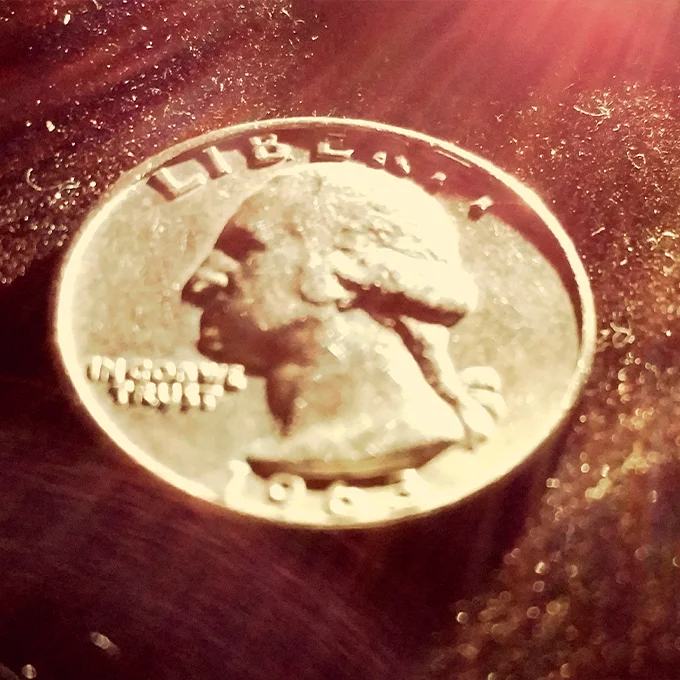
Coin collecting is the practice of gathering and studying coins, tokens, paper money, and other forms of currency for fun, historical interest, or investment.
Why People Collect Coins
Historical significance – Coins tell the story of civilizations.
Art and design – Intricate designs and craftsmanship.
Rarity and value – Some coins are worth thousands (or millions).
Personal enjoyment – It’s a calming, intellectually stimulating hobby.
Investment– Appreciation in value
Types of Coin Collections
By country – U.S., ancient Roman, world coins, etc.
By era – Modern coins vs. ancient or medieval.
By denomination – Pennies, nickels, quarters, etc.
By mint mark – Where a coin was produced (e.g., “D” for Denver).
By theme – Animals, presidents, famous events.
How to Collect
Start small – Look through pocket change or inherited coins.
Learn before you buy – Research before purchasing coins.
Use reputable dealers – Buy from certified coin dealers or shows.
Join a club – Local numismatic clubs or online communities.
How to Identify a Coin
Country of origin
Date
Mint mark
Condition (grade) – From Poor (P-1) to Mint State (MS-70)
Metal content – Silver, copper, gold, etc.
💰Coin Values
A coin’s value depends on:
Rarity
Demand
Condition (grade)
Historical significance
Metal content
You can check values using:
The Official Red Book (U.S.)
Coin price guides online (e.g., PCGS, NGC)
Auctions and eBay prices
Evaluations from coin experts
🚫 Mistakes to Avoid
Cleaning coins – This reduces their value!
Overpaying – Always compare prices.
Improper storage – Avoid PVC plastics and moisture.
Skipping research – Knowledge is your best tool.
📦 Storage & Preservation
Use archival-safe holders (non-PVC).
Store in cool, dry environments.
Handle with gloves or by the edges only.
Get Our Collector's Checklist
Would you like a checklist for beginner collectors, or information on specific coins to start with (like U.S. State Quarters or Wheat Pennies)?